

India - UK CETA Opens New Growth Opportunities for UK Fashion Brands
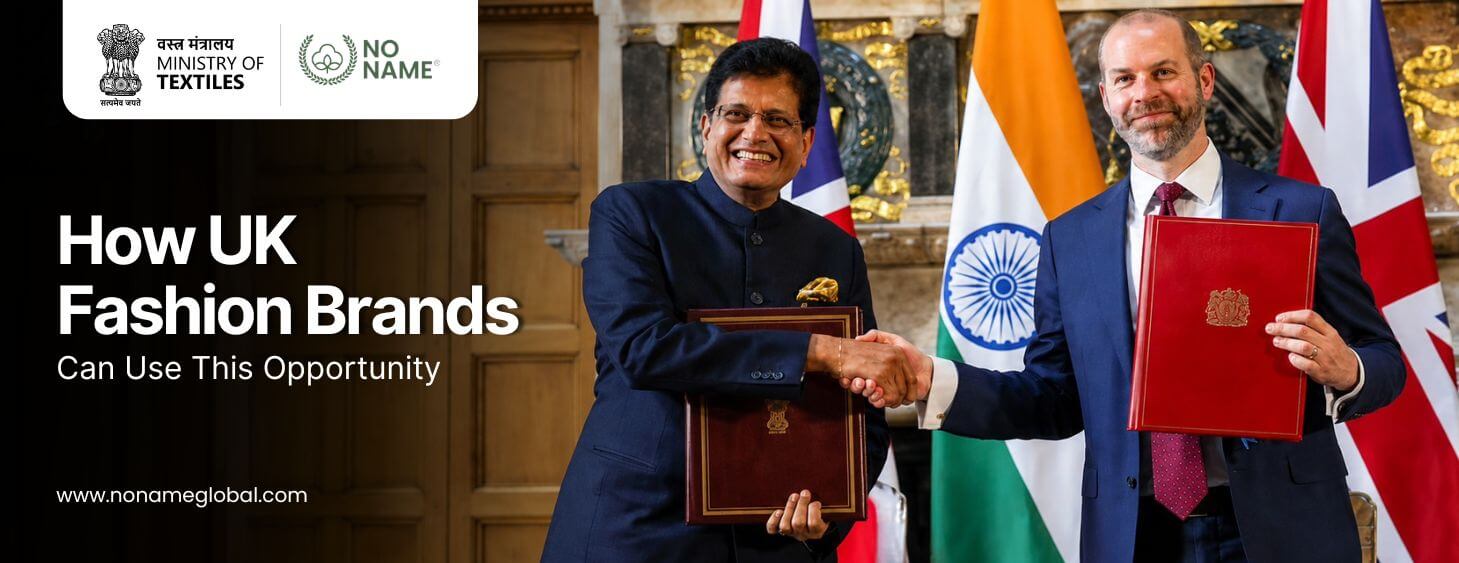
India - UK CETA Opens New Growth Opportunities for UK Fashion Brands
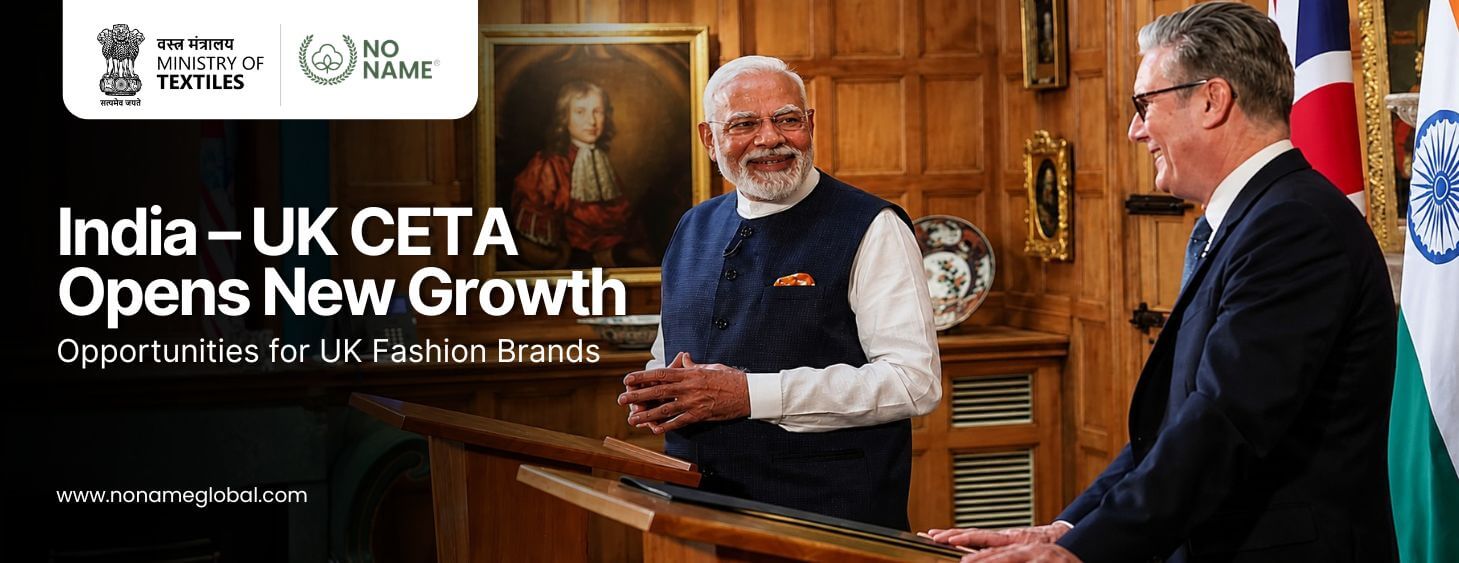
India–UK Comprehensive Economic and Trade Agreement (CETA)
new NoName logo
India-UK CETA is now live, giving UK fashion brands duty-free access to Indian apparel and new opportunities to reduce costs and scale faster.
While trade agreements do not often capture the attention of fashion businesses, the India-UK CETA is expected to have a direct impact on apparel sourcing decisions across the United Kingdom.
Under the agreement, most eligible textile and apparel products exported from India can now enter the UK at 0% import duty, provided they meet the required Rules of Origin criteria. Previously, many apparel categories imported from India attracted duties ranging from 8% to 12%, increasing the overall cost of sourcing.
The removal of these duties creates a meaningful financial advantage for UK fashion brands. Savings that were previously absorbed by import costs can now be redirected towards product development, inventory expansion, marketing initiatives, and business growth.
According to trade data, the UK imported approximately USD 19.8 billion worth of apparel in 2025, while imports from India accounted for around USD 1.4 billion, representing roughly 7.1% of total apparel imports. Industry experts expect India's share of the UK apparel market to grow as brands increasingly explore the benefits offered by the new agreement.
A Strategic Opportunity Beyond Cost Savings
Industry observers believe the significance of CETA extends well beyond duty reductions.
India is home to one of the world's most integrated textile and apparel ecosystems, offering capabilities across the entire value chain, including cotton cultivation, fabric production, garment manufacturing, finishing, and export logistics.
This integrated infrastructure provides fashion brands with improved supply chain visibility, stronger quality control, and greater sourcing flexibility.
India's manufacturing sector also supports a wide range of business models, from startup fashion labels requiring lower minimum order quantities (MOQs) to established brands managing large-scale production programs.
At the same time, the country's growing investment in organic cotton, recycled materials, responsible manufacturing practices, and sustainable textile innovation aligns closely with changing consumer expectations in the UK market.
What UK Fashion Brands Should Consider
As the agreement comes into force, fashion businesses are being encouraged to review their sourcing strategies and evaluate opportunities within the Indian apparel manufacturing sector.
Industry experts recommend that brands:
Assess potential cost savings from duty-free sourcing.
Diversify supply chains to reduce dependence on a single sourcing market.
Build relationships with experienced export-focused manufacturers.
Understand Rules of Origin requirements to ensure eligibility for duty-free treatment.
Explore sustainable sourcing options to meet evolving consumer expectations.
Recent global supply chain disruptions have highlighted the importance of sourcing resilience. For many brands, increasing sourcing of garments from India is becoming a strategic decision focused on long-term growth rather than simply procurement efficiency.
Why Early Action Matters
Fashion startups and emerging brands may be particularly well positioned to benefit from the opportunities created by CETA.
However, successful sourcing requires planning. Product development, fabric sourcing, sampling, compliance requirements, and production scheduling all take time. As demand for Indian manufacturing grows, brands that establish supplier relationships early may gain a competitive advantage.
Industry analysts believe that businesses taking proactive steps today will be best positioned to capitalize on the evolving UK-India apparel trade landscape over the coming years.
Supporting UK Brands Through the Transition
As interest in Indian sourcing increases, manufacturers with export expertise are expected to play an important role in helping brands navigate the new environment.
NoName, a clothing manufacturer based in India, works with fashion startups and established brands to support sourcing, product development, sampling, quality control, and bulk apparel production. The company helps brands streamline manufacturing operations while leveraging the opportunities created by the India-UK CETA.
Looking Ahead
The India-UK Comprehensive Economic and Trade Agreement represents more than a trade policy development. It has the potential to reshape sourcing decisions across the UK fashion industry.
With duty-free access now available for most eligible Indian textile and apparel exports, brands have an opportunity to improve competitiveness, strengthen supply chains, and access one of the world's most capable manufacturing ecosystems.
As the industry adapts to this new trade environment, businesses that act early and build strong sourcing partnerships are likely to be among the biggest beneficiaries of the India-UK CETA era.
Pankaj Agrawal
Celestial Corporation
+91 96505 08508
pankaj@celestialfix.com
Visit us on social media:
LinkedIn
Instagram
Facebook
YouTube
India–UK CETA Opens New Growth Opportunities for UK Fashion Brands
Legal Disclaimer:
EIN Presswire provides this news content "as is" without warranty of any kind. We do not accept any responsibility or liability for the accuracy, content, images, videos, licenses, completeness, legality, or reliability of the information contained in this article. If you have any complaints or copyright issues related to this article, kindly contact the author above.
